
At some point, every homeowner must decide between DIY home repairs and hiring a professional. Americans spend between $3,000 and $5,000 a year on home maintenance, and knowing when to pick up the wrench—or the phone—can save you time, money, and frustration.
Thanks to YouTube tutorials and smart home gadgets, learning to fix things yourself has never been easier. But just because you can Google it doesn't always mean you should do it. The real challenge is knowing which projects are worth attempting and which are best left to the pros.
This guide breaks it down for you. Whether you’re a confident DIY-er or just figuring out which end of the drill is which, keep reading for smart, strategic ways to evaluate your next project based on safety, cost, time, and the real skill required.
When to DIY Home Repairs vs. Hire a Pro: Decision Guide
Before you rip anything out of a wall, take a beat. Here’s a breakdown of when it’s smart to roll up your sleeves—and when you should pass the sledgehammer.
Let’s begin by looking at the main factors when deciding whether to do it yourself or hire a professional. Before starting any home repair project, this decision guide can help you decide whether to handle it yourself or hire a professional.
Go the DIY Route When:
- There’s no structural risk or exposure to dangerous materials
- The work is outside main utility systems like gas or electrical
- You’re not working on a ladder more than two stories up
- No lead, asbestos, or hazardous cleanup involved
- You’ve done something similar before, or can follow a step-by-step guide
- A mistake won’t cost thousands to fix
- Materials cost less than 60% of a pro’s quote
- Permits, licenses, and insurance aren’t required
Call a Pro When:
- Gas lines, structural elements, or your electrical panel are involved
- Safety risks are high—even if the project looks “simple” on the surface
- The job requires specialized calculations, certifications, or expertise
- Mistakes could void your insurance, cost thousands, or compromise resale value
- The time investment outweighs the potential savings
- Permits or inspections are legally required

The DIY Decision-Making Tool You Didn’t Know You Needed
If you like a good checklist (don’t we all?), here’s a quick scoring system to help you make a confident decision. Score each category from 1 to 5, multiply by the listed factor, and tally it up.
How to Use:
- Score each category from 1 (low risk) to 5 (high risk)
- Multiply by the importance factor
- Add all totals to get your final score
The DIY Home Repairs Scorecard:
1. Safety Risk (×3) Is there risk of injury or damage?
- [ ] Score: × 3 =
2. Expertise Needed (×2) Do you fully understand the task?
- Score: × 2 =
3. Tool Investment (×1) Do you have the right tools?
- [ ] Score: × 1 =
4. Time Commitment (×1) How much time will this take?
- [ ] Score: × 1 =
5. Cost Savings (×2) Will DIY actually save you money?
- [ ] Score: × 2 =
6. Legal/Permits (×3) Are permits or codes involved?
- [ ] Score: × 3 =
Total Score: ___
What It Means:
- 12–30: Go for it—DIY is likely safe
- 31–45: Proceed carefully or get advice
- 46–60: Hire a pro—it’s worth it
Pro Tip: The 48-Hour Rule
Once you decide to DIY, give yourself 48 hours before you start. Use that time to make a game plan and a backup plan, gather materials, and mentally prepare for what could become your next weekend-long saga.
Remember: the actual cost of a project isn’t just the money you spend. It also includes your time, your stress level, and the risks involved. Sometimes, hiring a professional ends up being the cheaper—and safer—option.
Hidden Costs to Consider
When working on DIY projects, expect the unexpected and be ready for extra costs. You might need to buy tools, make multiple store trips, or hire a pro if you mess up—that all adds up. Don’t forget to value your time; hours spent on a project could be time away from fun or other priorities. Also, consider the cost of disposing of old materials.
DIY projects often cost more than expected—especially if you’re repeatedly fixing the same issue, damaging nearby areas, or uncovering hidden problems mid-repair. If your project takes twice as long as planned, it might be time to reevaluate.
That said, every project teaches you something. The skills you pick up today will build your confidence for tomorrow’s repairs.
Essential Tools for DIY Home Repairs
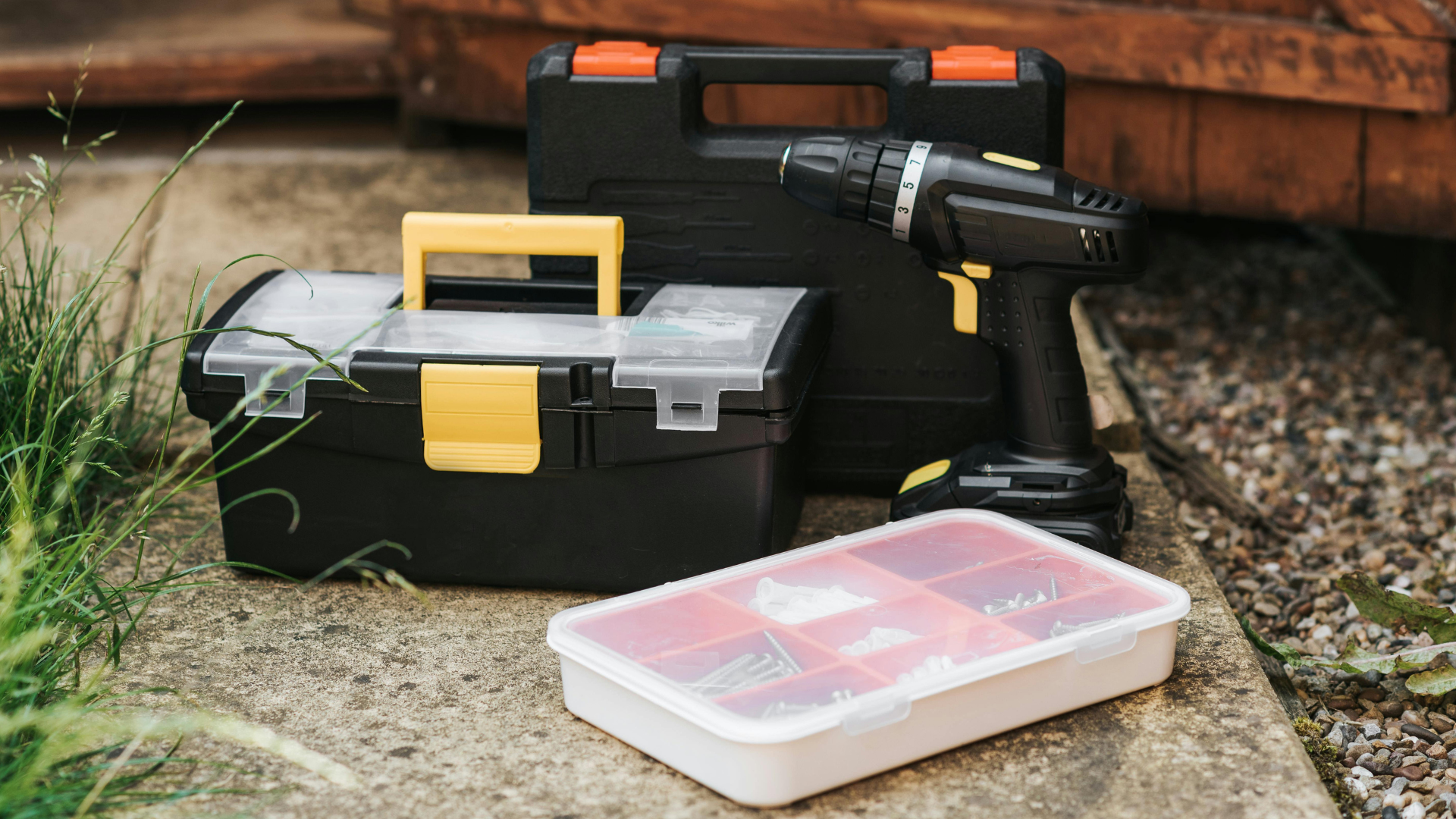
A well-stocked toolbox is your first line of defense against household issues. Building a complete DIY toolkit starts with understanding what tools you’ll actually need.
Basic Hand Tool Essentials
With an investment of around $200–$300, you can assemble a solid kit:
- Multi-bit screwdriver set with magnetic tips (Phillips, flathead, Torx)
- Adjustable wrench set (6”, 8”, 12”)
- Hammer
- Level (minimum 24”)
- Utility knife + spare blades
- Heavy-duty scissors and wire cutters
- Needle-nose, channel-lock, and Vise-Grip pliers
- Measuring tape (25 ft, with lock and standout)
- Safety gear: gloves, glasses, dust masks, ear protection
Power Tools Foundation
Budget $300–$500 for a reliable cordless drill/driver (12V–20V) with:
- Variable speed
- LED work light
- Multiple clutch settings
- Accessories: spare battery, drill bit set, screwdriver bits
Storage Solutions
Organization matters. Use:
- A portable, weather-resistant toolbox with compartments
- Wall-mounted systems like pegboards, hooks, or magnetic strips
Investment Strategy
Allocate your tool budget roughly as follows:
- 60% to basic hand tools
- 25% to power tools
- 15% to safety gear
Start simple, then upgrade your most-used tools and expand based on the projects you take on. High-quality tools from trusted brands will pay off in performance and durability.
Safety Checklist & Best Practices for DIY Home Repairs
Hit pause before you pick up a power tool or tear into that drywall. Safety isn’t just a box to check—it’s a critical part of every DIY home repair. The more you prepare, the smoother (and safer) your project will go.
This isn’t about scaring you off. It’s about setting you up for success and ensuring you protect your home, investment, and most importantly, yourself. Here’s a comprehensive checklist to keep things on track from start to finish.
Step 1: Pre-Project Safety Assessment
Start with some research and documentation. It’s the “boring” part, but skipping it can cause significant problems later.
- Check local building codes and permit requirements. Even small projects can come with big rules.
- Review HOA restrictions if you live in a managed community.
- Document the existing conditions before you touch a thing. That means taking photos, drawing sketches, measuring everything, and marking where wires or pipes are located. You’ll be glad you did if something needs to be undone or explained later.
Step 2: Safety Equipment Preparation
Before you start any kind of DIY home repair, get your gear in order. Here’s what you should always have within reach:
- PPE (Personal Protective Equipment): Safety glasses, work gloves, dust masks or respirators, ear protection, steel-toed boots (for heavy-duty jobs), and hard hats for overhead work.
- Emergency supplies: A first aid kit, fire extinguisher, emergency contact list, flashlight, and a battery-powered radio. These may seem like overkill—until they’re not.
Step 3: Know Your Critical Shutoffs
You can’t safely work on a house without knowing how to shut it down.
- Utility shutoffs: Know how to turn off the main water valve, gas supply, and electrical panel. Don’t just guess—find them, label them, and ensure they’re accessible.
- HVAC emergency switch: If your repair involves heating or cooling systems, locate this too.
- Other safety devices: Confirm that your home has working smoke detectors, carbon monoxide detectors, fire extinguishers, and a clear emergency exit path.
Step 4: Set Project Safety Protocols
Now you’re ready to prep your space and tools. A clean, well-lit workspace is your first line of defense against mistakes.
- Clear the area and remove anything you might trip over or damage.
- Check lighting and ventilation. You should be able to see—and breathe—clearly.
- Inspect your tools. Make sure cords aren’t frayed, guards are in place, and everything works as it should before you start.
Step 5: Stay Aware During the Project
Once you’re in the zone, it’s easy to get tunnel vision. But staying aware of your environment and your body matters just as much as following the instructions.
- Monitor the space: Watch for tripping hazards, flammable materials, extreme temps, and poor airflow.
- Watch yourself: Fatigue is a real risk. If you’re overtired, distracted, or rushing, stop. The project will wait.
- Keep communication open: Let someone know where you are and what you’re working on. Keep your phone nearby, and have emergency contacts ready, just in case.
Step 6: Prepare for the Unexpected
Even with the best planning, things can go sideways. That’s why you need a solid backup plan.
- Have professional contacts on hand: Before you start, include a licensed electrician, plumber, or general contractor you trust in your contacts list—just in case.
- Keep your records close. This includes insurance information, home warranty documents, property plans, and utility contacts. If something goes wrong, you don’t want to waste time tracking them down.
Final Safety Tips for DIYers
- Build custom project-specific safety checklists (yes, you’ll want more than one).
- Document any modifications you make—especially electrical, plumbing, or structural.
- Keep your emergency supplies stocked and current.
- Revisit and update your contacts and documentation regularly.
And here’s the golden rule: No home repair is worth putting yourself in harm’s way. If something feels beyond your skill set or comfort zone, don’t power through—call a professional. Knowing when to step back is just as smart (and just as “DIY”) as knowing when to jump in.
Easy(ish) DIY Home Projects + What They’ll Actually Cost You
Most homeowners can handle these jobs with some patience, a good tutorial, and the right tools.
Fixing a Leaky Faucet
- Difficulty: 2/5
- Time: 1–2 hours
- Tools: Adjustable wrench, screwdriver, pliers
- DIY Cost: $20–$50 | Pro Cost: $150–$300
- Pro Tip: Take photos as you go. Lay parts out in order so you don’t end up with a mysterious extra washer.
Replacing Light Fixtures
- Difficulty: 2/5
- Time: 1–3 hours
- Tools: Voltage tester, screwdrivers, wire stripper, needle-nose pliers, wire connectors, electrical tape, sturdy ladder
- DIY Cost: $50–$200 | Pro Cost: $200–$500
- Safety Note: Never attempt to replace a light fixture without a voltage tester.
Patching Drywall
- Difficulty: 3/5
- Time: 2–4 hours (including drying time)
- Tools: Putty knife, sanding block, drywall saw, utility knife, measuring tape, pencil, level, dust mask
- DIY Cost: $30–$100 | Pro Cost: $200–$400
- Pro Tips: Wear a dust mask when sanding. Use a drop cloth to protect the flooring. Score the drywall before cutting to avoid fraying the paper.
Unclogging Drains
- Difficulty: 1/5
- Time: 30 minutes
- Tools: Plunger, drain snake/auger, bucket, rubber gloves, safety goggles, pliers
- DIY Cost: $10–$30 | Pro Cost: $100–$250
- Safety Note: Never mix different chemical cleaners, and always wear protective gloves and eyewear.
Smart Home Repairs: What Every Modern DIYer Should Know
Today’s homes are smarter than ever, which means your DIY home repairs need to be smarter, too. Traditional skills still matter, but modern homeowners must also understand the devices that connect, automate and power daily life. The good news? Many smart home upgrades are well within reach for DIYers willing to do a little homework.
Here’s what you need to know to confidently maintain and install smart devices as part of your evolving home toolkit.
Smart Device Integration: What You Can DIY
Adding smart features doesn’t have to mean hiring a specialist. In fact, many devices are designed to be homeowner-friendly—if you’re willing to follow instructions and stay patient. Let’s walk through a few popular upgrades.
WiFi Thermostats
- Difficulty: 2/5
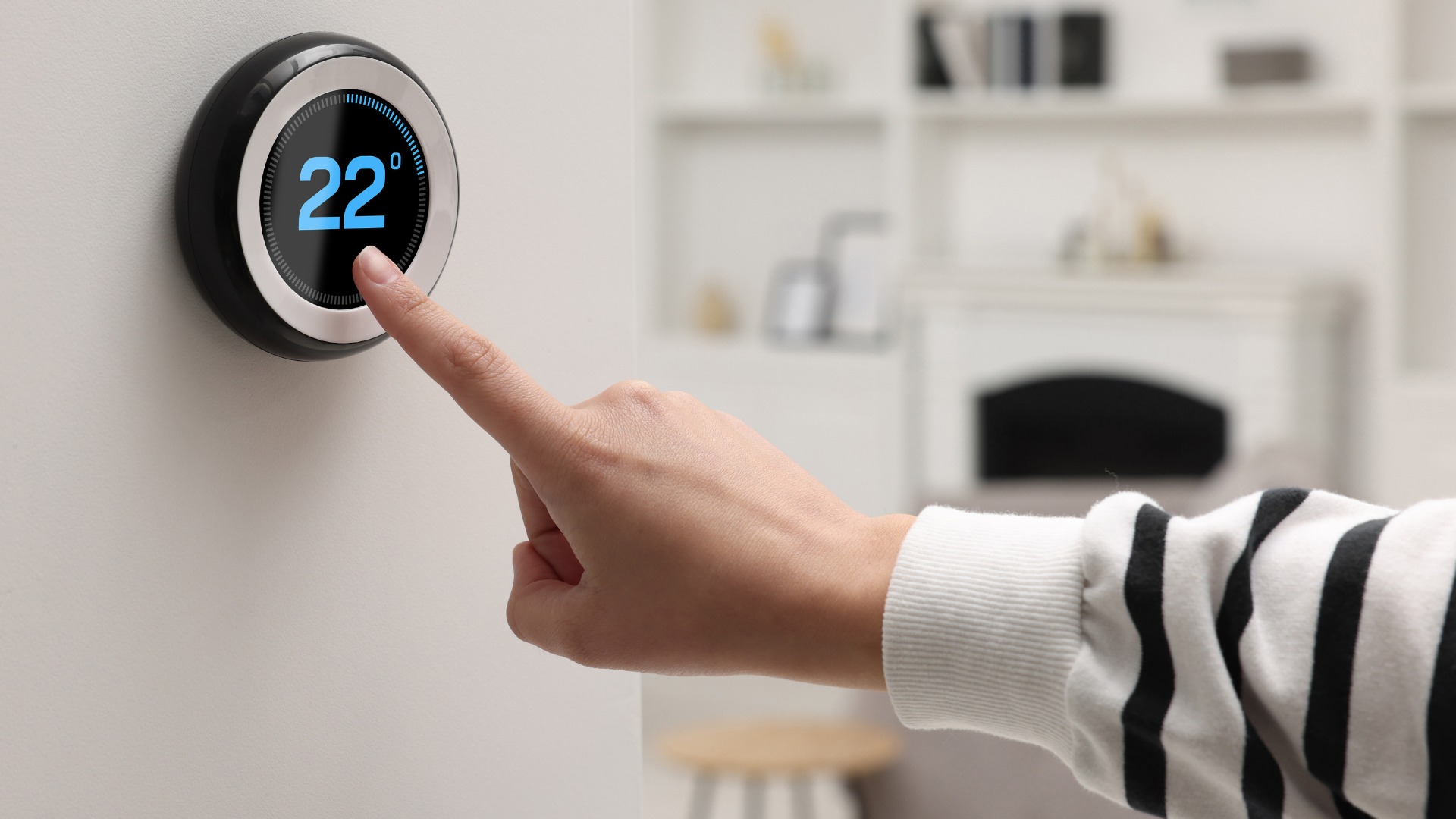
- This is one of the most rewarding smart DIY home repairs you can do. A WiFi thermostat can cut your heating and cooling costs by 10–15%, and the installation is usually straightforward, as long as your HVAC system is compatible and you have a C-wire (common wire). You’ll check compatibility, remove the old unit, mount the base plate, wire it in, and connect to your WiFi network.
Smart Doorbells
- Difficulty: 2/5
- This is another solid entry-level project. You’re good to go if you have existing doorbell wiring and a strong WiFi signal at your front door. Double-check weather ratings, video storage options, motion zones, and how well the system plays with your other smart gear.
Security Cameras
- Difficulty: 3/5
- This one’s a bit more involved. Wireless, battery-powered models are the easiest to install, but if you’re going wired or solar-powered, expect a moderate learning curve. Think through camera angles, power sources, network strength, and weatherproofing. You’ll also need to manage battery life, avoid WiFi dead zones, and configure motion alerts (to reduce those 3 a.m. “leaf blew by” notifications).
Smart Lighting Systems
- Difficulty: 4/5
- DIY options here range from incredibly simple to moderately complex. Smart bulbs are plug-and-play—screw them in, sync with an app, and you’re done. Smart switches are a bigger step. If you’re replacing existing switches and have the wiring know-how, it’s doable. But anything involving new circuits or a lack of a neutral wire? That’s usually a job for a licensed electrician.
Energy Efficiency Upgrades That Are Actually Worth It
Smart home repairs make your life easier and can lower your utility bills. These energy-efficient upgrades are a great way to level up your home’s performance while staying firmly in DIY territory.
LED Smart Bulbs
Switching to LED smart bulbs is low-effort, high-reward. They use up to 75% less energy than traditional bulbs and offer tons of perks: color control, brightness settings, automation, voice commands—you name it. Start in high-use rooms like the kitchen, bedroom, or office, and group your lights by use or time of day for maximum effect.
Smart Plugs
These little devices are surprisingly powerful. Plug one in, connect it to your app or voice assistant, and you can automate everything from coffee makers to floor lamps. When shopping, look for models with energy monitoring, remote control, scheduling, and enough wattage to support your appliances safely.
Smart Switches
These upgrades are great for automating high-load fixtures but are a bit trickier to install. Many setups require a neutral wire—and if your wiring doesn’t support that, you’ll probably need a pro. That said, smart switches can dramatically streamline your lighting systems and energy use once installed.
Troubleshooting & Future-Proofing
Smart home DIY wins are great—but they’re not always perfect. Expect the occasional hiccup. Here’s how to stay ahead of the curve:
- Network issues: Weak WiFi, dropped signals, and dead zones can mess with your devices. If you encounter these issues, consider mesh networks or WiFi extenders.
- Integration problems: Sometimes, devices from different brands don’t work well together. Stick to established ecosystems (Google, Apple, Amazon) and read compatibility information before you buy.
- App confusion: Automation conflicts and buggy updates happen. Keep firmware updated, document your network and device settings, and don’t forget where you stashed the install guides.
- Smart Tip: When building your setup, think long-term. Use products that support major protocols, plan for additional devices down the road, and have a backup plan if one piece fails.
Smart tech should make your life easier, not more complicated. Smart home upgrades can be part of your DIY home repair skill set with some planning and the right tools. Start with simple installs, get comfortable with the tech, and expand when ready.

Projects That Need Professional Help
Knowing which tasks require licensed professionals can save you from accidents, fines, or costly rework. Call in a pro for:
- Electrical work: Anything involving your main panel or circuits
- Plumbing overhauls: Pipe replacements, sewer lines, water heaters
- Gas lines: This is not a DIY situation—period
- Structural changes: Load-bearing walls, foundation repairs
- Major roofing or bathroom remodels: These involve multiple systems and building code compliance
If it needs permits or certifications or carries a risk of injury, damage, or resale issues, bring in a professional.
When to Call a Handyperson vs. Contractor
Not every project requires a deep dive into DIY or a high-priced specialist. Sometimes, the smartest, most cost-effective move is calling a skilled handyperson. Knowing when to make that call can save you time, money, and more than a few headaches.
A great handyperson can be your secret weapon if you’re juggling multiple small fixes or trying to knock out a running to-do list. Here’s how to tell when that route makes sense.
Handyperson vs. Contractor: What’s the Cost?
Handyperson rates typically fall between $35 and $100 per hour, depending on the task and your region:
- Basic repairs: $35–$75/hour
- General work: $50–$100/hour. Some may even offer bundled pricing or discounts for multi-task jobs.
Compare that to:
- Plumbers: $75–$150/hour
- Electricians: $100–$200/hour
- HVAC techs: $100–$175/hour
- General contractors: $150–$300/hour
When you only need a few things handled—and none require licensing or permits—those price differences can add up.
When It Makes Sense to Hire a Handyperson
Think of a handyperson as your go-to for the “middle ground” projects—the ones that aren’t quite worth hiring three different specialists for but still fall outside your DIY comfort zone.
Handypeople shine when:
- You’ve got multiple small jobs you can bundle
- You want a single point of contact for various tasks
- You need the work done quickly, but don’t want to pay contractor-level rates
- You value efficient project management over project sprawl
Factors to Weigh Before You Decide
Time vs. Money: Ask yourself: What’s my time worth? Can I afford to spend a whole Saturday on this, or is it smarter to pay someone $50–$75/hour to handle it efficiently? Think about:
- The time it takes to learn the task
- The cost of the tools you’d need to buy
- The risk of costly mistakes or redos
Timeline: If you’re up against a deadline (like guests arriving, winter setting in, or listing the house), a handyperson can help keep things moving. They’re handy for coordinating repairs across different parts of the house on a tight schedule.
How to Know If Your Project Fits
A handyperson is typically the right fit when your job is:
- Under $500
- Straightforward and doesn’t require a permit
- Focused on maintenance, minor repairs, or simple installations
But if you’re working with complex systems (electrical, plumbing, HVAC), tackling permitted work, or diving into a complete renovation, you’re better off with a licensed contractor.
Hiring a Handyperson: What to Look For
A little due diligence goes a long way. Before you hire, be sure to:
- Check credentials: Make sure they have insurance, business registration, and any required local licenses.
- Ask for references: Look for experience with projects like yours.
- Review their portfolio: If they have photos of past work or a list of tools they use, that is even better.
- Get it in writing: Always ask for a written estimate, clear scope of work, timeline, payment terms, and warranty details.
Warranties and Red Flags
A trustworthy handyperson should stand behind their work. Ask about:
- Work guarantees
- Material warranties
- Follow-up policies for any needed tweaks or touch-ups
And be alert to common red flags:
- No insurance or refusal to show proof
- Vague answers or evasiveness about past projects
- Pressure for on-the-spot decisions
- Suspiciously low estimates
- Cash-only policies
- No written contract or scope of work
A great handyperson can bridge the gap between what you can handle yourself and what truly needs a specialist without breaking the bank or blowing your weekend.
Making the Final Decision
Deciding whether to DIY or hire help comes down to six key things: project complexity, timing, budget, skill level, tool access, and warranty considerations. Weigh all of those carefully, and you’ll usually land on the right call. And don’t underestimate the value of a great handyperson—they can be a long-term partner in keeping your home safe, functional, and valuable. When you find someone reliable, keep them on speed dial.
But let’s be clear: not everything belongs on your DIY list. Just like you wouldn’t rewire your breaker panel after watching one YouTube video, you shouldn’t try to navigate a real estate transaction without a pro. Buying or selling a home isn’t a weekend project. It’s complex. It’s high-stakes. It requires deep market knowledge, legal understanding, and strong negotiation skills—not to mention a mountain of paperwork. That’s where we come in.